
Five is right around the age when games start getting really fun. Kids can follow along with the rules, remember whose turn it is, and begin making their own choices during the game without needing quite as much help from an adult. These board games for 5 year olds are some of our favorites for this stage. (Do you have a younger kiddo? These are some of our favorite games for toddlers and preschoolers!)
We've tested all of the games on this list with our own kids and have included our favorites for young kids. Whether you're looking for a cooperative game, a family game night favorite, or a game that your child can play with a sibling, you'll find some great options here.
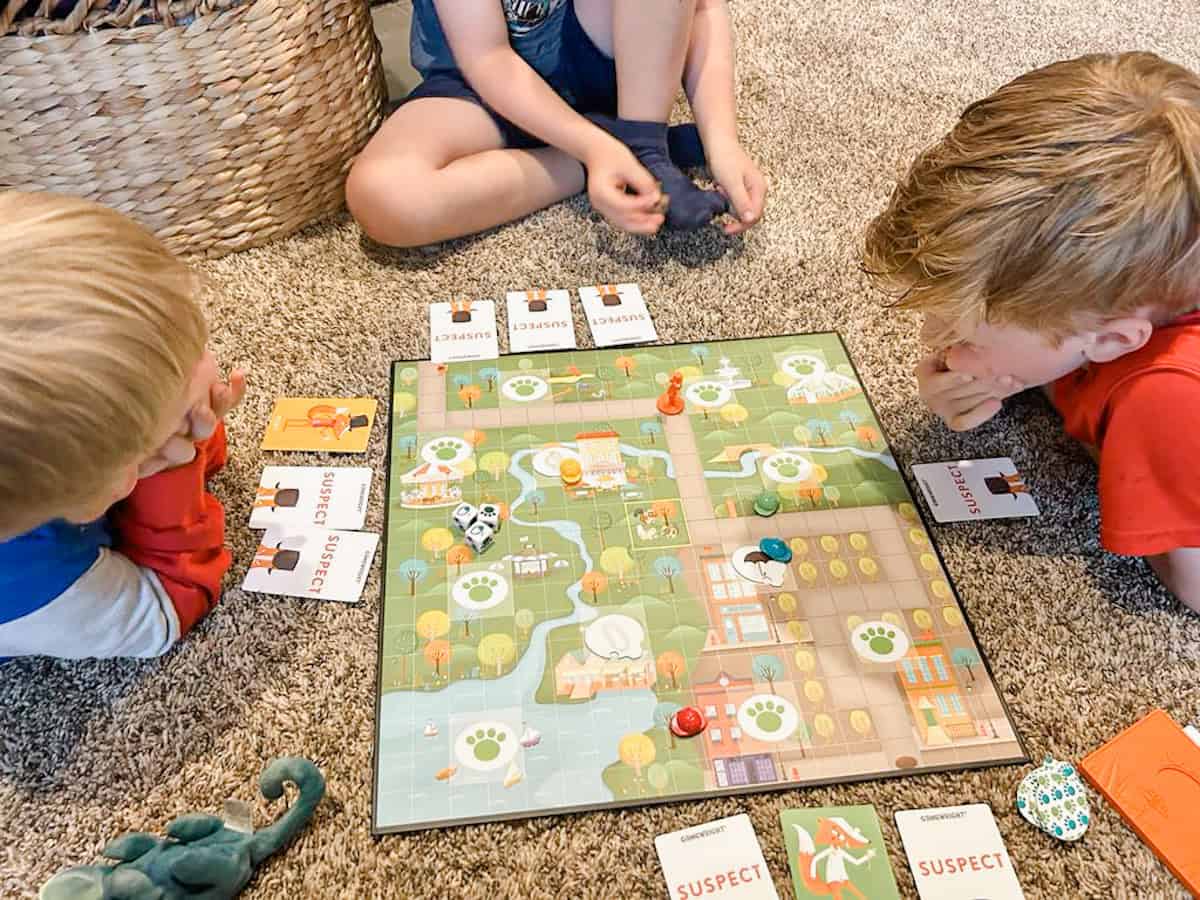
Quick Look: Best Board Games for 5 Year Olds
- 🎲 Game Type: Board games, card games & cooperative games
- 👧 Best For: 5 year olds, preschoolers & kindergarteners
- 👨👩👧👦 Players: 1-4+ players
- ⏱ Play Time: 10-30 minutes
- 🧠 Skills: Critical thinking, strategy, communication & social-emotional skills
- 📱 Screen-Free: Yes!
- 👌 Difficulty: Easy to learn and age-appropriate for young players
- 💡 Why This Works: We've tested these games with our own kids and chose options that are fun for 5-year-olds while also giving them opportunities to practice important skills through play.
SUMMARIZE & SAVE THIS CONTENT ON
This post contains affiliate links, which means I will make a small commission at no extra cost to you. See my full disclosure here.
Why Play Board Games With 5 Year Olds?
Game playing is one of those activities that can feel like just fun to kids while actually giving them tons of opportunities to learn.
At this age, children are developing skills like communication, flexible thinking, problem-solving and learning how to navigate social situations. Playing a game gives them a natural opportunity to practice these skills in a way that doesn't feel like a lesson.
Board games can help a child practice:
- Taking turns and waiting patiently
- Following directions and rules
- Communicating with other players
- Problem-solving and critical thinking
- Early strategy skills
- Cooperation and teamwork
- Handling winning and losing
- Managing frustration
- Paying attention and staying engaged
One of my favorite things about playing games with kids is that you get to see these skills develop in real time. Sometimes that means celebrating a win together, and sometimes it means helping a child work through the disappointment of losing.
Board games also give families an easy way to spend time together without screens, which is always a win in our house. Don't forget to pair it with a fun snack like this funfetti dip or this s'mores trial mix!
Jump to:
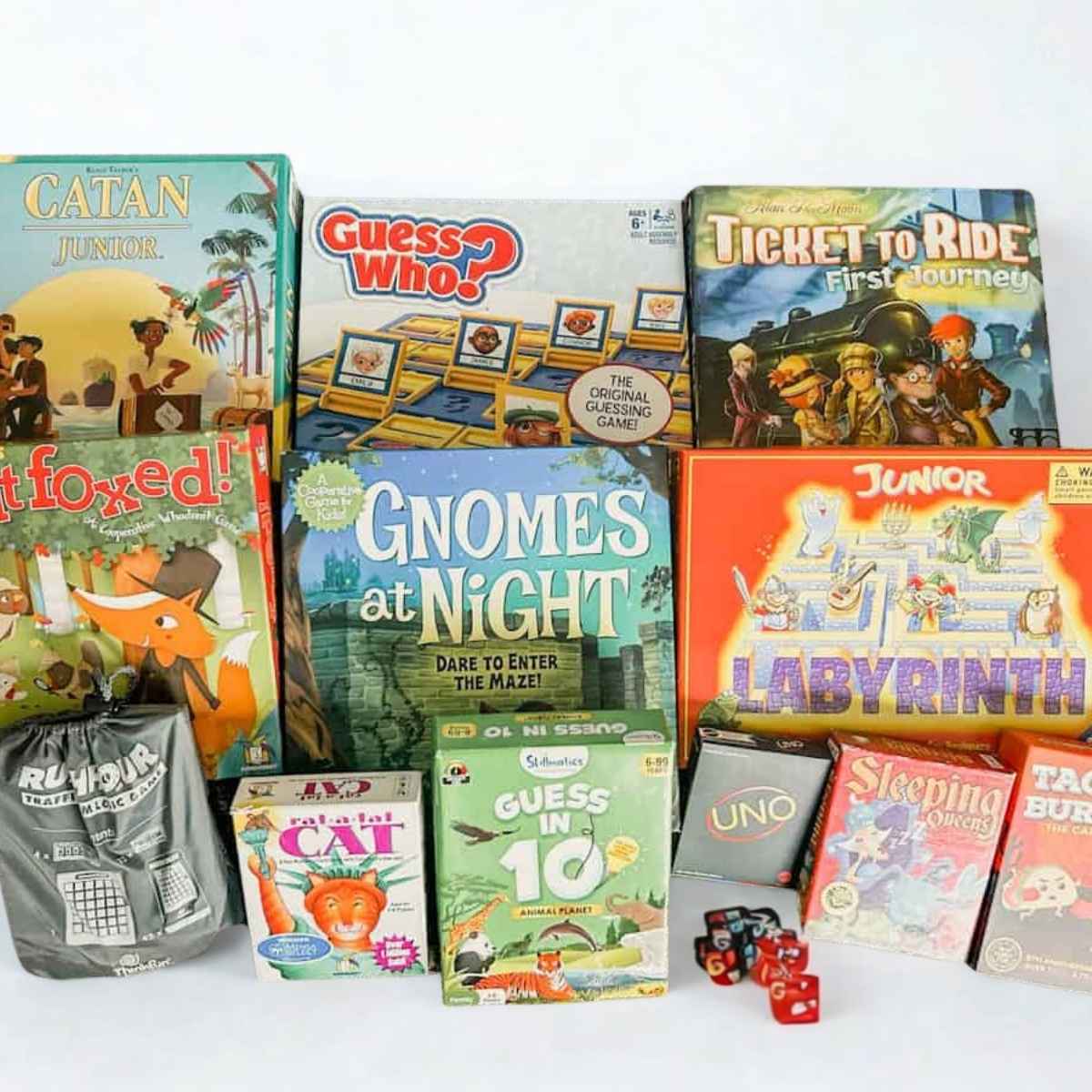
Best Board Games For 5 Year Olds
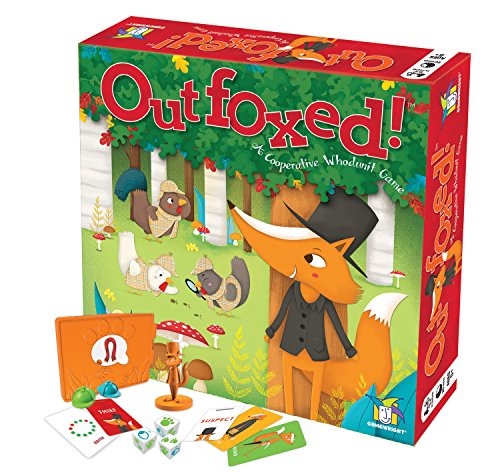
Outfoxed has quickly become a go-to game in our family. Players work together to solve the mystery of who stole Mrs. Plumpert's pot pie, but you have to work quickly before the fox gets away!
Ages: 4+
Players: 2-4
Best for: Cooperative play, teamwork and deductive reasoning
What I love most about Outfoxed is that everyone works together instead of competing against each other. This makes it a great choice for kids who are still learning how to handle losing or for a child who gets frustrated when someone else wins.

If you have a child who is ready to start learning a little strategy, My First Carcassonne is a great place to start. This is the kid-friendly version of the popular game Carcassonne, and the rules are much simpler than they might sound! Players take turns laying tiles to create roads and collect animals along the way.
Ages: 4+
Players: 2-4
Best for: Beginner strategy game
I love that kids have to start thinking about where they want to place their tiles and making strategic choices, but the game still feels very approachable for younger players. It's also one that older kids can enjoy right alongside them.

Ticket to Ride: My First Journey is a fun introduction to strategy games for kids. Players travel across North America, collecting train cards and using them to claim routes between cities.
Ages: 5+
Players: 2-4
Best for: Beginner strategy game, critical thinking
This is a great game for kids who are ready for a little more strategy and critical thinking. It's also genuinely fun for adults to play, which makes it a great option when you want a game that the whole family can enjoy together.

Kids use memory, strategy and simple addition as they try to end the game with the lowest score. There are also different ways to play, so it's a game that can grow with your child as they get older.
Ages: 4+
Players: 2+
Best for: Memory, strategy, early math skills and a quick game option as it only take a out 10 minutes to play
Rat-a-Tat Cat is one of our favorite games to throw in a bag when we're heading out somewhere. We've taken it to restaurants and pulled it out while waiting for our food, and the rounds are short enough that it works really well for those in-between moments.
5. Zingo

Zingo is basically bingo with a fun twist, and it's a great choice for kids who enjoy matching games. It's especially helpful for working on sight words and matching skills, but kids are mostly focused on trying to be the first one to fill their card!
Ages: 4+
Players: 1-7
Best for: Cooperative play, teamwork, sight word practice and matching skills
I love this one for groups because up to seven players can join in. It gives kids plenty of opportunities to practice taking turns, winning and losing, and being a good sport.

Sequence for Kids is a great introduction to strategy for children who aren't reading yet. There's no reading required, so kids can focus on matching their cards to the pictures on the board and figuring out where to place their chips. The goal is to get four chips in a row, which gives kids a chance to practice logical thinking and planning ahead.
Ages: 3+
Players: 2-4
Best for: Early strategy skills, matching, logical thinking
This isne of those games that kids can start playing more independently as they get comfortable with the rules, which I love!
7. Uno
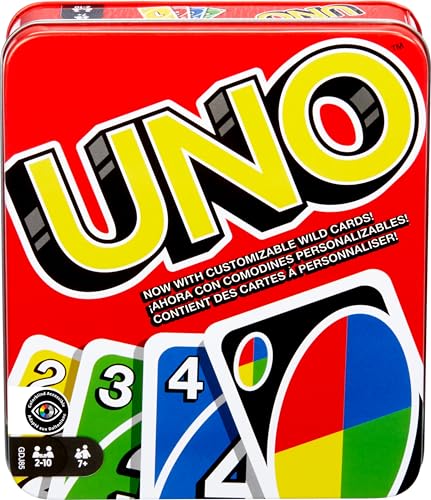
Uno is one of those games that is always worth having on hand. It's small enough to throw in a bag when you're heading to a restaurant, appointment or anywhere else you might have a little time to fill.
Ages: 4+
Players: 2-10
Best for: Early strategy skills, matching, logical thinking
The rules are simple enough for young kids to learn, and players work on both color and number matching as they play. A game can also be finished in about 10 minutes, making it a great option when you don't have time for a longer family game.
8. Guess Who

Guess Who? is a classic for a reason! This simple two-player game gets kids thinking about which questions they can ask to narrow down the possibilities and figure out which character is on their opponent's card. It's a fun way to practice deduction and critical thinking without feeling like you're working on a skill.
Ages: 5+
Players: 2
Best for: Early strategy skills, matching, logical thinking, using descriptive language
I love that a game of Guess Who? can be played in about 10 minutes, so it's easy to squeeze into a busy day!
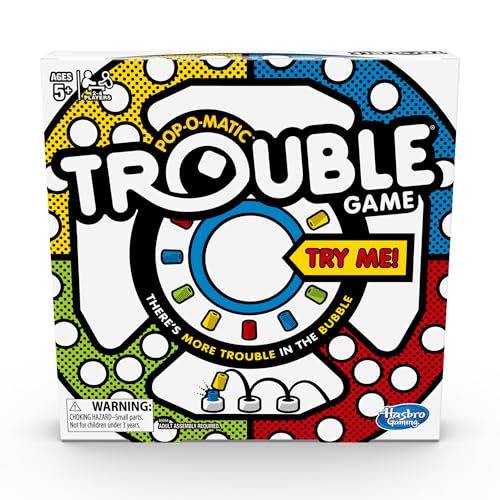
The rules are simple enough for younger kids to understand, but there's still some strategy involved as players move their pieces around the board and try not to get sent back home.
Ages: 4+
Players: 2-4
Best for: Early strategy skills, one to one counting, turn taking
Trouble is another classic game that many of us remember playing as kids. I have memories of playing this one at my grandparents' house, and my grandma definitely never went easy on us! 🙂
10. Gnomes At Night
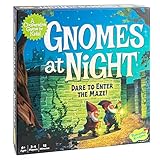
If your family loves cooperative games, Gnomes at Night is a fun one to add to your game shelf. Instead of competing against each other, everyone works together to move the magnetic gnome through the maze and find the hidden treasures before the sun comes up.
Ages: 5+
Players: 2-4
Best for: Cooperative play, communication, using descriptive language
This game is especially good for practicing communication and descriptive language because players have to work together and explain what they see and where they want the gnome to go. It's a fun way to practice teamwork without making it feel like a lesson.

Tiny Polka Dot was the 2017 Game of the Year, and it's easy to see why. There are more than a dozen ways to play, including some single-player options, so it's a game that can work for both independent play and family game time.
Ages: 3+
Players: 1+
Best for: Early math skills, independent play
This is also a game that grows with your child. You can start with simpler versions when they're younger and introduce more challenging variations as they get older. It's a fun way to work on early math skills without making it feel like math practice.
13. Memory

Memory is a simple classic, but it's still one of our favorites for practicing memory skills. There are so many different versions available that you can easily find one based on your child's interests, which can make them much more excited to play.
Ages: 3+
Players: 2+
Best for: Early strategy skills, matching, logical thinking, group play
If you're playing with a younger child, you can also start with fewer pairs and gradually add more as they get better at the game. It's simple enough for little kids but can still be surprisingly challenging!
14. Spot It
Spot It! is a great choice when you need something quick and fast-paced. The game has several different ways to play, but they all involve racing to find the matching symbol between two cards.
Ages: 5+
Players: 2+
Best for: Quick thinking, observational skills, group play
Because the rounds move quickly, this is a particularly good option for kids with shorter attention spans. It also works well as a group game and gives kids a chance to practice their observation and visual scanning skills while having fun.
15. Rush Hour Jr.

Rush Hour Jr. is a single player logic game. There are 40 challenge cards that gradually increase in difficulty, so kids can work their way through the challenges as their skills improve and once they master the junior version, they can move on to the original Rush Hour game.
Ages: 5+
Players: 1
Best for: Critical thinking, independent play, visual spatial skills, travel game
This is a great option for quiet time or those moments when your child needs something to do independently. We've also found it really useful to bring along when one of our kids has to wait around for a sibling's sports practice!

Race to the Treasure! is another cooperative game where everyone works together instead of competing against each other. The goal is to collect three keys and reach the treasure before the Ogre does.
Ages: 5+
Players: 2-4
Best for: Group play, teamwork, early strategy skills
I love this one for younger kids because it introduces teamwork, problem-solving and some early strategy skills in a really approachable way. Everyone has the same goal, so it's a great option when you want a game that encourages kids to work together.
17. Guess In 10

Guess in 10 is a fun game for kids who love animals and asking questions. The goal is to figure out which animal is on the card by asking up to 10 questions. The junior version doesn't require reading, so younger kids can jump right in, and the game is quick to learn and play.
Ages: 5+
Players: 2+
Best for: Critical thinking, deductive reasoning skills, group game
This is another one that works really well for road trips, waiting rooms or family game night, and it's one that our kids frequently request.
19. Catan Jr.

If your family loves strategy games, Catan Jr. is a great way to introduce kids to the world of strategy games. It's the kid-friendly version of the popular Settlers of Catan and does a great job of keeping the basic idea of strategy while making it accessible for younger players.
Ages: 5+
Players: 2-4
Best for: Early strategy skills, logical thinking, early math skills
The game takes about 20-30 minutes, which is long enough to give kids plenty of time to make strategic choices without being so long that they lose interest. Everyone is involved during each player's turn, so there's always something happening.
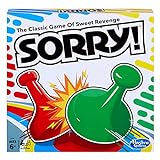
Sorry! is another classic family game that has been around for generations. The rules are simple enough for younger kids to understand, but there's still enough strategy and unexpected twists to keep older kids and adults interested.
Ages: 5+
Players: 2-4
Best for: Turn taking, one to one counting, strategy, working on emotional regulation when twists happen unexpectedly
This is a great game for practicing turn-taking and counting, and kids can play right alongside parents or older siblings without needing a complicated explanation of the rules.
21. Taco vs. Burrito
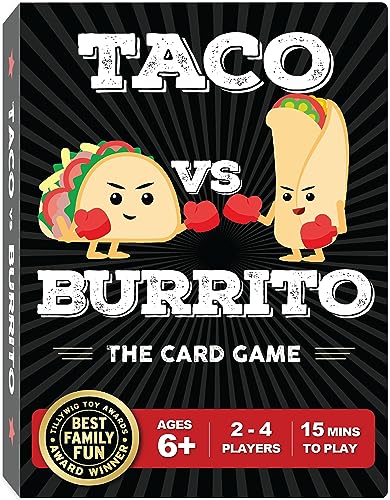
If you're looking for a simple game that will bring a lot of laughter to family game night, Taco vs. Burrito is a fun one. The rules are easy to learn, and a game takes about 15 minutes, so it doesn't require a huge time commitment. And, of course, there's the very important question: Are you Team Taco or Team Burrito?
Ages: 5+
Players: 2-4
Best for: Family game nights, quick games, early strategy, math skills
This is a particularly good option when you want something that a 5 year old can play but that doesn't feel like a "little kid" game to older siblings.
22. Enchanted Forest

Enchanted Forest takes kids on a magical treasure hunt through a land of fairy tales. The game board itself is adorable, and kids have to use their memory and problem solving skills as they search for hidden treasures.
Ages: 4+
Players: 2-6
Best for: Memory, problem solving skills
I'm always a fan of games that feel like an adventure while still giving kids an opportunity to practice important skills, and this one does just that. Ravensburger also makes some really great quality games, this is a fun one to add to your collection.

Mastermind for Kids is a junior version of the classic Mastermind game and introduces kids to deductive reasoning and logic. Players take turns creating and solving secret codes using colorful jungle animal pieces.
Ages: 5+
Players: 2
Best for: Logic, deductive reasoning, pattern detection
There are three levels of play, so you can increase the challenge as your child gets more comfortable with the game. It's a great STEM-focused game that can appeal to both younger kids and older siblings.
24. Story Time Dice

If your family isn't really into competitive games, Story Time Dice is a completely different kind of game. Instead of trying to beat the other players, you roll the dice and use the pictures that appear to create your own story.
Ages: 5+
Players: 1+
Best for: Teamwork, creative thinking
There are four different ways to play, and this can work as an independent activity or something the whole family does together. I love games that encourage kids to use their imagination, and this one gives them lots of room to be creative and come up with their own stories.
25. Labyrinth Jr.

Labyrinth Jr. is a fun game for kids who enjoy puzzles and figuring out how things work. Players have to find the shortest route through the moving maze, which means they need to think ahead and plan their moves.
Ages: 5+
Players: 2-4
Best for: Critical thinking, early strategy skills
Once your child masters the junior version, they can move on to the original Labyrinth game for a bigger challenge.
26. Shut The Box

Shut the Box is a fast-paced game that sneaks in quite a bit of math practice. Kids work on number recognition and quick addition as they roll the dice and figure out which numbers they can cover. The rules are simple enough that kids can learn them quickly, and the game moves fast, so it's easy to play multiple rounds.
Ages: 5+
Players: 1-4
Best for: Early math skills, strategy, independent play
Shut The Box is one of those games that kids will want to play over and over without realizing they're practicing math at the same time!
27. Blockus
Players take turns placing their colorful pieces on the board, with each piece needing to touch another piece of the same color at the corners, but never along the sides. The goal is to fit as many of your pieces on the board as possible while trying to keep your opponents from doing the same.
Ages: 5+
Players: 2-4
Best for: Spatial reasoning skills, fine motor skills, strategy
Blokus is a great game for the whole family because the rules are simple enough to learn quickly, but the strategy can get surprisingly challenging.
How to Choose a Board Game for a 5 Year Old
Not every game labeled for ages 5+ is going to be a good fit for every 5 year old. Kids develop these skills at different rates, so I like to consider a few things before choosing a game.
Look for simple rules
At this age, a game doesn't need to have complicated rules to be fun. In fact, simple rules often mean kids can start playing more independently.
Consider how long your child can stay engaged
A 10-20 minute game can be a much better fit for some 5 year olds than a game that takes an hour to finish.
Try cooperative games
If your child is still working on handling losing, cooperative games can be a great place to start. Everyone works toward the same goal, so the focus is on teamwork rather than beating another player.
Think about the whole family
One of my favorite things about a good kids' game is when the 5 year old isn't the only person who enjoys it. Games that can grow with your child or be played with older siblings are always a great choice.
FAQs About Games for 5 Year Olds
Some of our favorite board games for 5 year olds include Outfoxed and Taco vs. Burrito. The best choice depends on your child's interests, attention span and comfort with competition.
Yes! Board games give 5-year-olds opportunities to practice turn taking, communication, problem solving, cooperation, following directions and handling both winning and losing.
Look for games with simple rules but enough strategy or humor to keep older children interested. This is one reason we love games like Outfoxed and Taco vs. Burrito for family game nights.
For many 5 year olds, games that take 10-30 minutes are a good place to start. Shorter games can also make it easier to play again if your child wants another round.
Other Kids Games & Activities You Will Love
Looking for other fun games and activities to try with your kids? Here are some of our favorites:
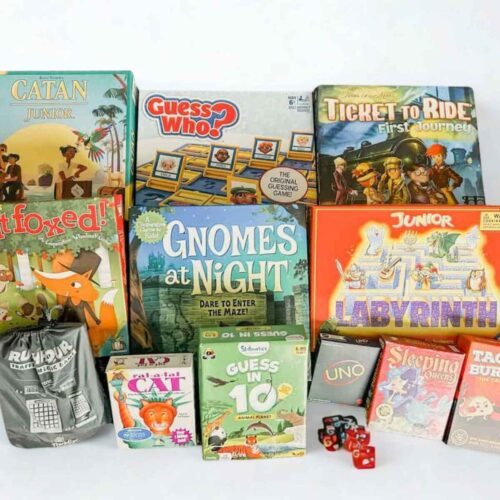


If you have played any of these fun board games for kids or have tried any other activity on our blog we would love if you let us know how it went in the 📝 comments below. Thanks for visiting!


Comments
No Comments